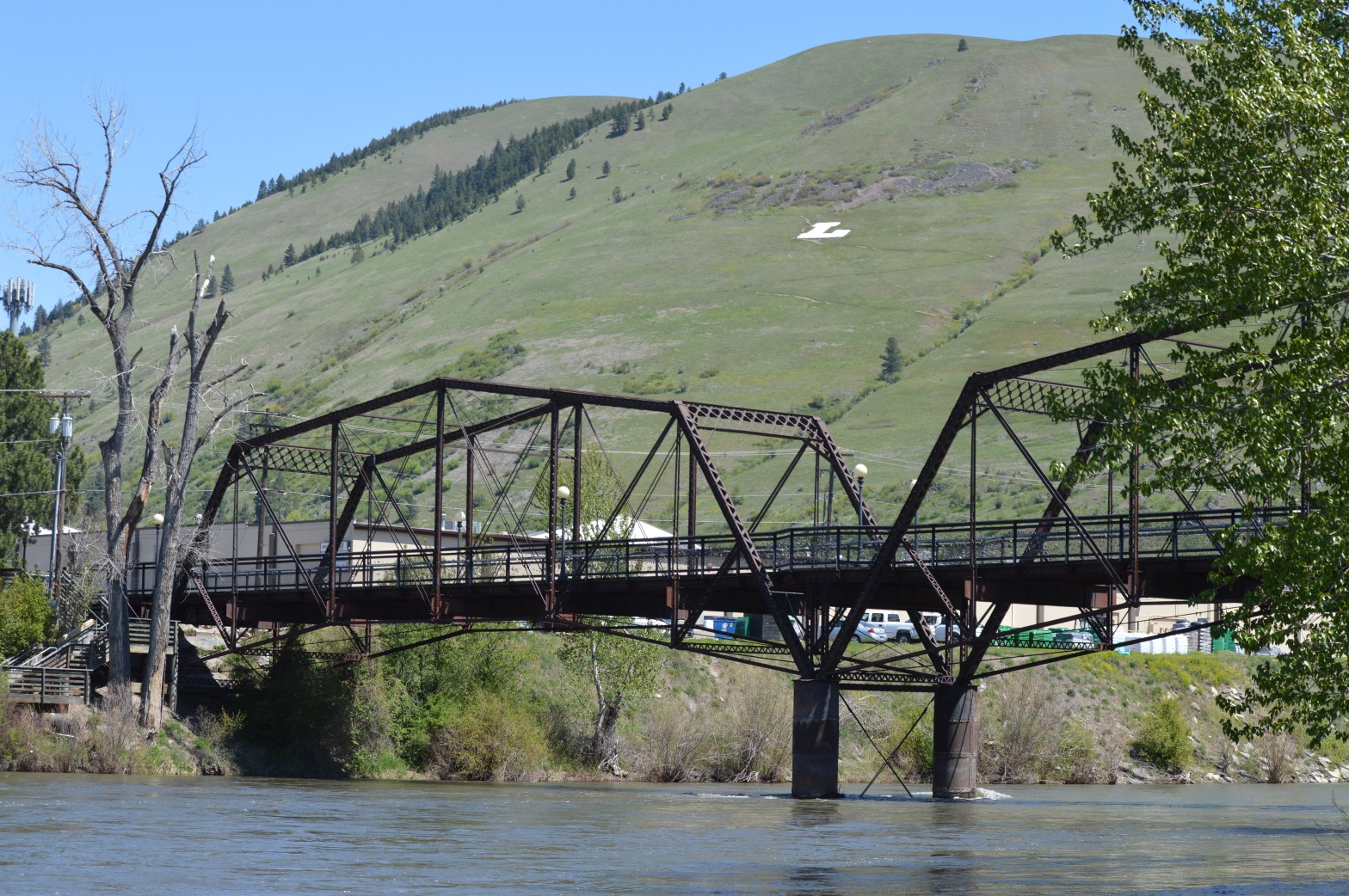
How do their lives differ from ours when the virus affects all?
The outbreak of COVID-19 has impacted people from all walks of life, from the homeless to the billionaires of the world.
While people often focus on healthcare workers and emergency responders, politicians and other public officials are working tirelessly behind the scenes to keep the United States safe, healthy, and functioning.
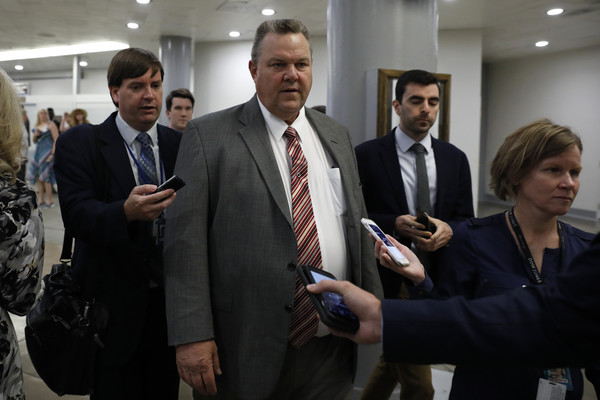
U.S. Senator Jon Tester and Missoula City Mayor John Engen, for example, have both experienced drastic changes in their personal and professional lives while leading the people of Montana through the COVID-19 pandemic.
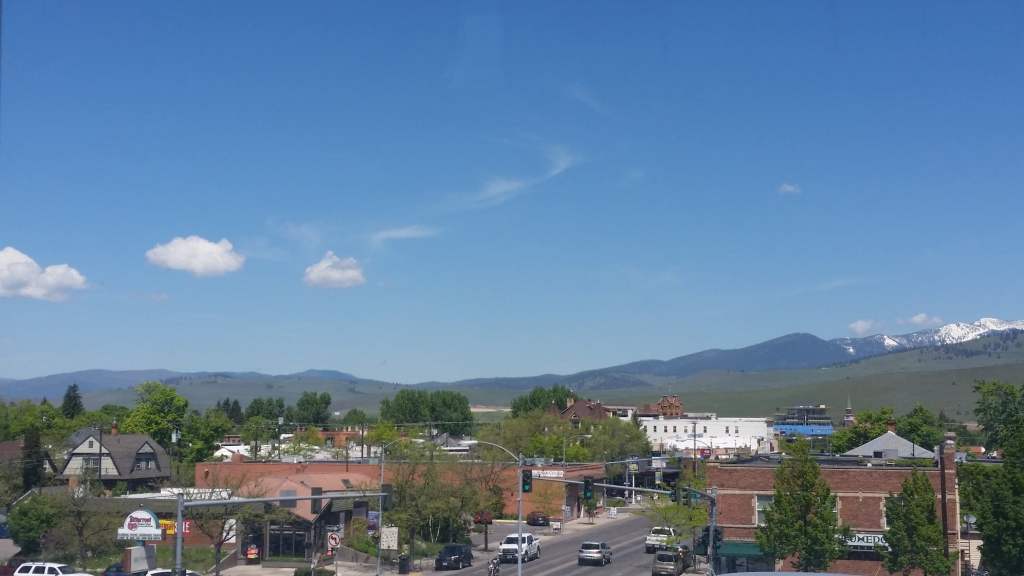
Missoula, Montana has an estimated population of 75,000 people in 30 square miles. It is significantly less dense than other cites of either similar size or population, with “a little more elbow room,” according to Engen. These differences will also change how COVID-19 impacts the community here, but nobody is quite sure what that will look like.
As of April 5, Missoula County has 23 confirmed cases of COVID-19 and one related death, according to the city-county health department.
Gov. Steve Bullock has taken action to ensure the safety of Montanans and try to slow the spread of COVID-19. Within two weeks, Bullock declared a state of emergency, shut down schools and non-essential businesses, issued a stay-at-home order, and suspended evictions and utility shut-offs.
Alongside these actions, Engen said Missoula officials “hit the ground running” in February, once the outbreak in Seattle was relayed to their office. The city-county health department then immediately created an incident team to begin interventions for Missoula.
Engen has been meeting twice a day collectively with multiple local offices, including members of the Missoula City Council, Missoula County Commissioners, the University of Montana, Missoula County Public Schools, the Incident Command Team, the Emergency Operations Center and the Missoula County Superintendent of the Schools.
By doing this, the officials hope “to compare notes, communicate, solve problems collectively, identify issues that are emergent that day, and also plan for the long term,” Engen said.
Tester said he has also seen an increase in virtual meetings and conferences. “I think I’ve had four conference calls today,” he said during a recent livestream. “… We’ve talked about different issues impacting the country as it applies to the coronavirus.”
These meetings are particularly challenging as social-distancing and work-from-home orders prevent teams from meeting in person.
According to Engen, over 600 city employees are currently working from home in compliance with social-distancing guidelines.
“City hall is a ghost town today,” he said. Engen’s staff is part of those working remotely, so he is the only one coming into the office in an attempt to run online conferences and remain available to his colleagues.
In Washington D.C., the Hart Senate Office Building is typically bustling with activity as people run to appointments and meetings to keep the country running, but with the coronavirus outbreak “you won’t see a soul,” Tester said. “Normally all these offices would be full of people. There’d be people running around everywhere.”
Tester has been working hard with the Senate, passing emergency laws and relief bills in an attempt to ease the burdens of this crisis, but his personal staff is working remotely, with phone calls being forwarded to personal cell phones. Questions and comments are still being taken, but the structure is just different, he says. “That’s the whole idea, serve the people of Montana, but do it in a safe way.”
For Tester and Engen, they said their daily routines have been upended due to COVID-19.
“Normally I’ve got a suit and tie on, but today I’ve got casual clothes on,” said Tester. “We were in a different world a week ago today.”
He also discussed the psychological changes facing this pandemic, saying, “The uncertainty of this, it causes more anxiety than anything else.”
Engen said he felt similarly, saying: “This is a challenge that isn’t finite, it doesn’t follow a schedule. We’re dealing with many variables beyond our control and that’s tough.”
Engen said that his position as the mayor of Missoula is “a position of tremendous responsibility and very little control.” The wellbeing of the city is dependent on the judgments and actions of the citizens, according to him, and he can only communicate what people should ideally be doing.
In a time of uncertainty, he said, “I need to be a bit of a counselor to the community, a consoler, a voice of relative calm and reason, and I need to advocate at the state and federal level for our community as well.”
Engen said he is changing his behavior to try to keep others safe and spends his time checking in on loved ones.
“I used to each lunch out with friends, colleagues, residents, business folks just about every day. That hasn’t happened for quite a while now,” he said. “I’m doing my best to model and follow guidelines.”
Tester’s best recommendations for the people of Montana are to comply with social distancing and keep washing their hands. He also said that if you feel sick, you need to contact your doctor and follow their instructions exactly.
“I think it’s time to listen to science, and learn from science, and listen to those healthcare professionals,” he said. “That’s how we’re gonna move forward.”
Engen had similar advice.
“Pay attention to social distancing, if you feel sick, contact your healthcare provider and get screened for COVID,” he said. “And wash the hell out of your hands!”

