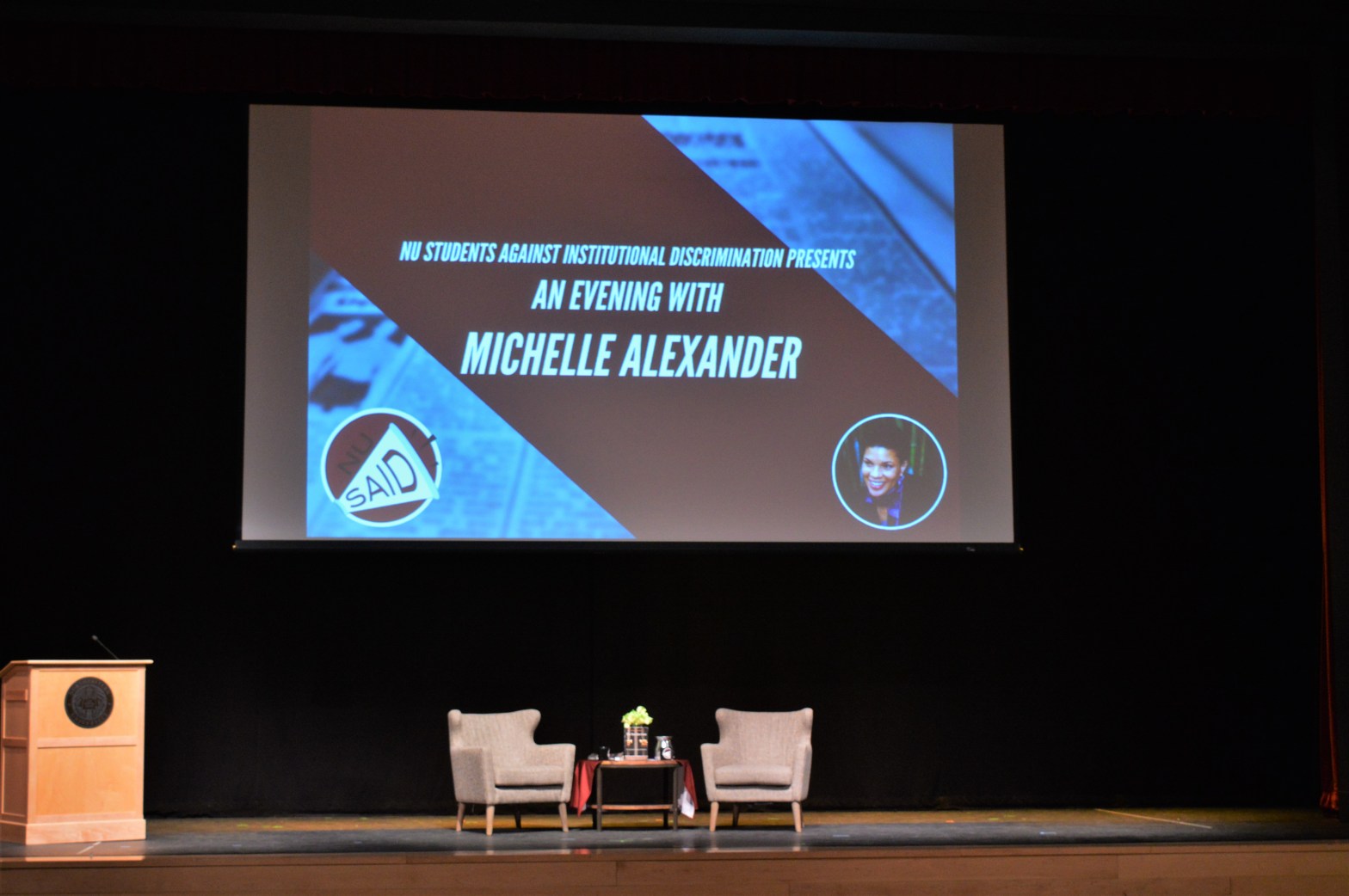
Social justice advocate Michelle Alexander described mass incarceration in the United States as a “legal system of discrimination” specifically targeting young people of color.
“There was a legal regime that was operating,” Alexander said. “With routine stops, frisks, searches, the sweeping of folks into a system before they had even reached adulthood, branding them criminals and felons, and releasing them to a permanent second-class status for life.”
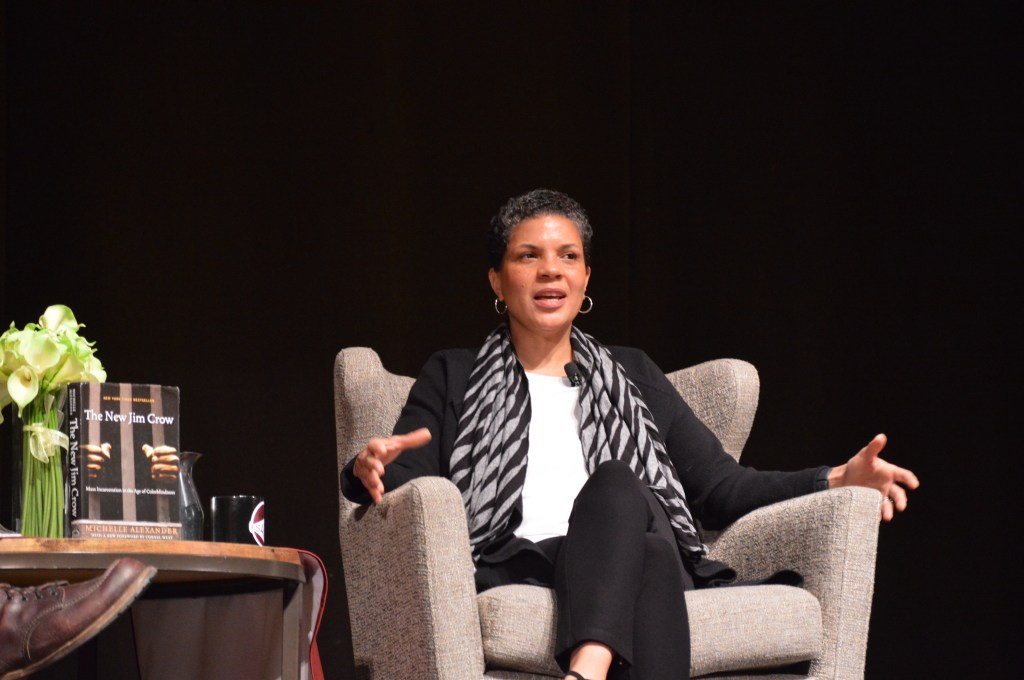
Alexander, best known for her award-winning 2010 book “The New Jim Crow: Mass Incarceration in the Age of Colorblindness,” told students that the war on drugs is a tool of mass incarceration and the impact of drug conviction goes far beyond prison walls.
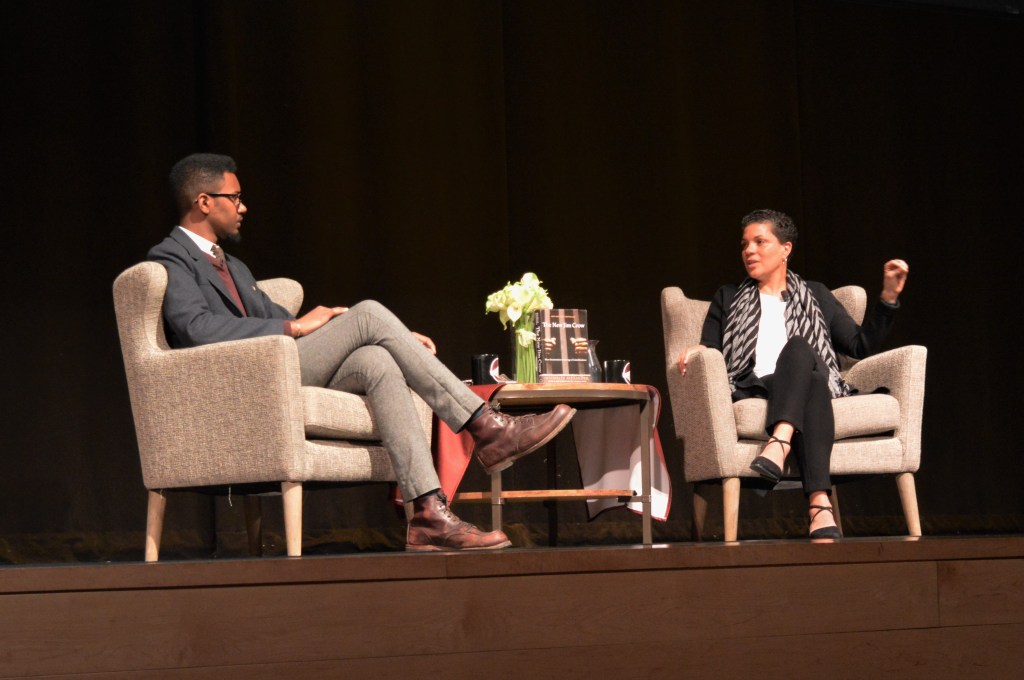
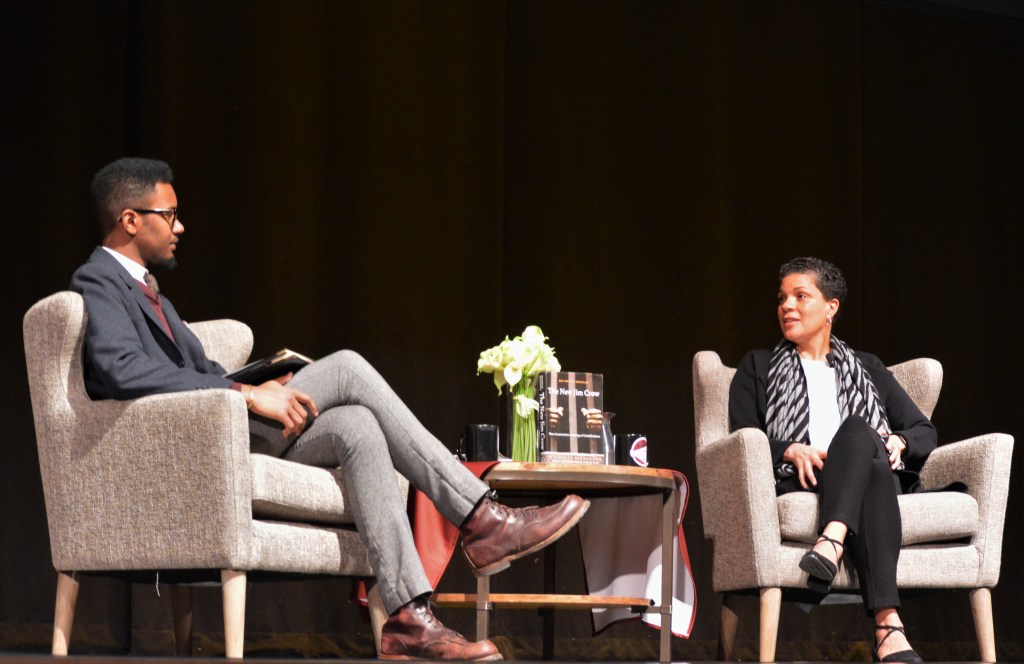
Saying that the majority of arrests in the United States are for non-violent crimes and that the charges often result in felony probation rather than imprisonment, Alexander said, “Whether they spent a day in prison or not, they were stripped of basic rights and relegated to a permanent second-class status.”
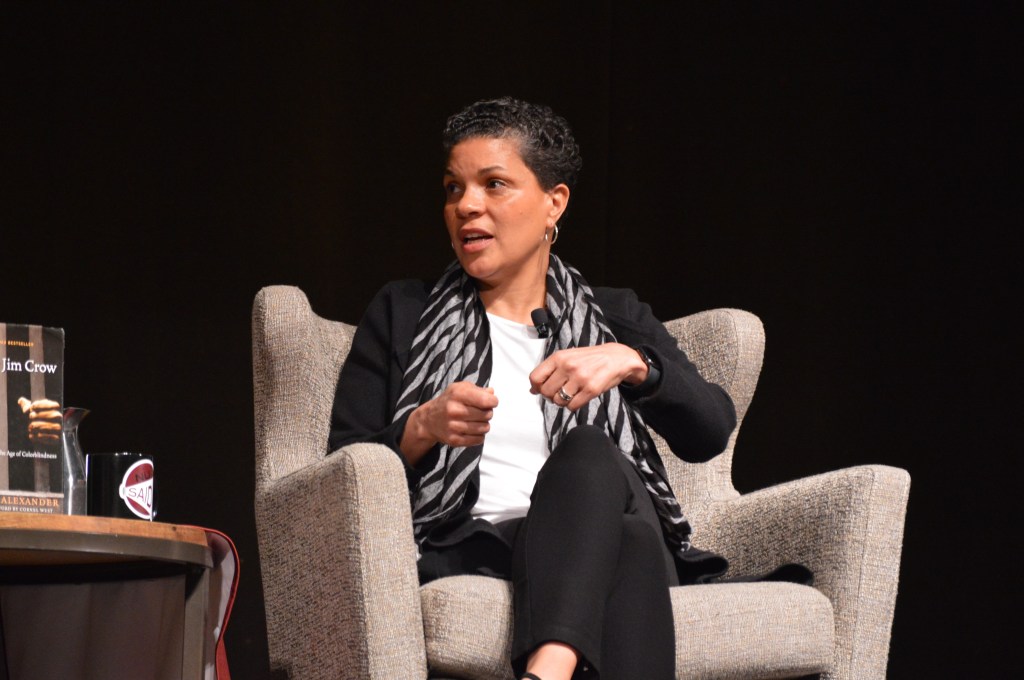
As an author, legal scholar, and visiting professor at Union Theological Seminary, Alexander has made a career of her activism and was invited to be the featured speaker in Northeastern’s Peace and Social Justice Week.
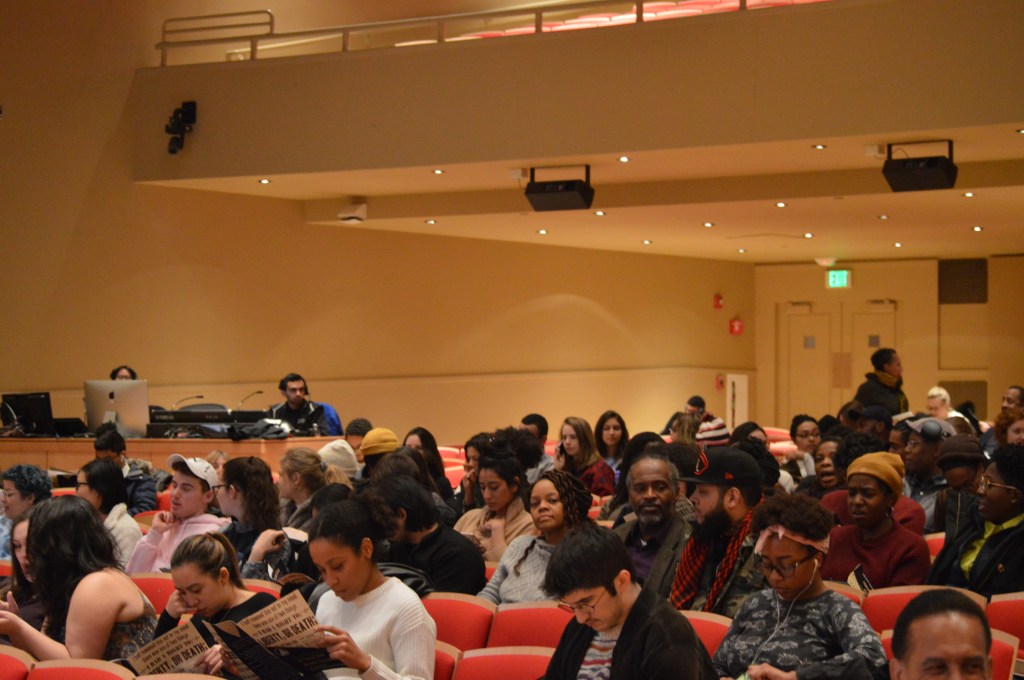
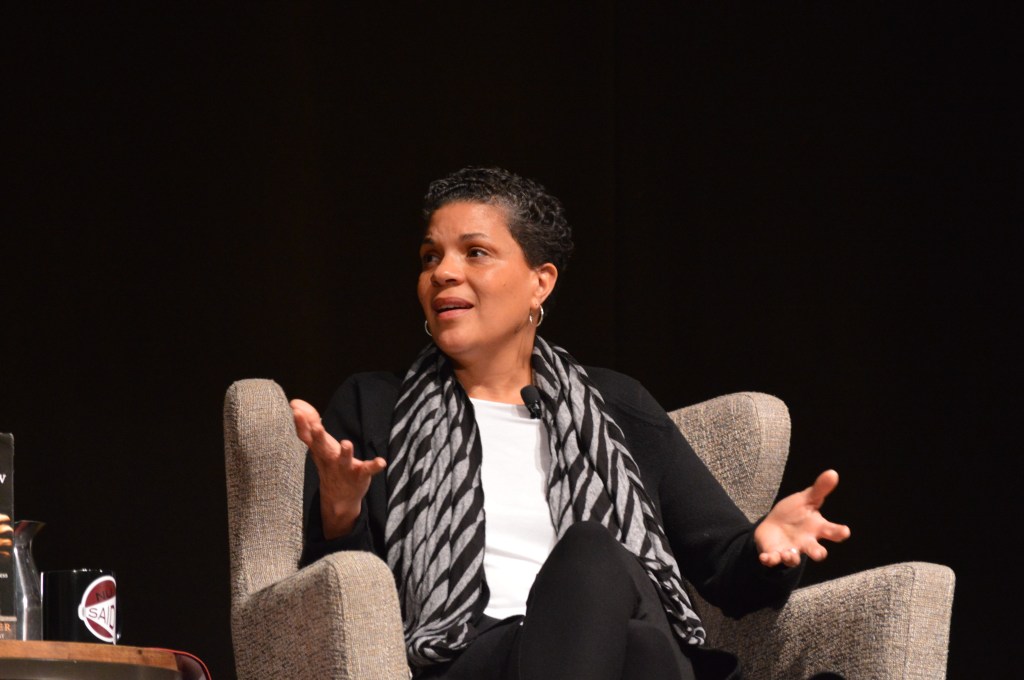
Speaking at Blackman Auditorium on February 20th, Alexander presented to a full crowd of students, staff, and Boston community members about systemic racism in the United States’ criminal justice system.
Alexander correlated the war on drugs with white supremacy, saying “the drug war was a primary engine of mass incarceration… and it still functions today by sweeping enormous numbers of poor people and people of color into the system, overwhelmingly for nonviolent and drug-related offenses.”
Alexander also said that white supremacy in law enforcement is “a system that we were willfully blind to,” particularly after Barack Obama was elected president.
“We were awash in post-racialism and ‘we have overcome’ and nobody was trying to hear, right after Obama was elected, that some new racial caste system was alive and well,” Alexander said. “We supposedly had left the days of racial caste and systems of racial and social control behind.”
She called this post-Obama time period a “so-called era of colorblindness,” as people in the United States had believed that the nation had become a post-racial society and ignored prevailing issues.
Alexander also discussed the current political climate as detrimental to people of color, saying that “The politics of white supremacy that helped to birth the system of mass incarceration are the same politics that gave us Donald Trump.”
What Alexander calls “divide-and-conquer politics” is often used in campaigns, namely when candidates “divide poor and working-class people along racial lines, pitting them against each other, trying to inspire them to fear one another, to resent one another.”
“With the election of Donald Trump in 2016, we had a man who was running for president who was promising to build border walls and demonizing immigrants when just decades earlier we had presidents who were promising to build prison walls and demonizing poor folks of color in inner-cities,” said Alexander. “On some level, we can’t be surprised that it happened again.”
Despite these systemic issues, Alexander also expressed hope for the future of social justice activism saying, “There are opportunities for rebellion … in every classroom, in every barbershop and beauty shop, there is a way in which we can constantly be working towards the world we aim to co-create, wherever we are.”
She continued, describing what people can do to create systemic change: “If history teaches us anything, it’s that we will never break this cycle of birthing systems of racial and social control if we don’t awaken to the dignity and value of us all and allow no one… to be cast outside our circle of concern.”
Under Alexander’s advice, white Americans should close their eyes to colorblindness and open them up to awareness on the institutional racism of mass incarceration.
 Quillan Anderson