Protecting Massachusetts’s most vulnerable communities
Transcript:
[PACHECO:] “When you think about environmental justice communities, they’re communities that, for generations that have not had the focus on them… we as a society have not really taken as seriously as we should have.”
[BRACA:] “We knew that it was really all about the money and not about actually filling anybody’s needs.”
[BELECHE:] “It does say, you know, whether somebody cares about you or doesn’t care about you.”
[WALLACE:] “It can be a lot of smoke and mirrors… so I think it is up to legislation to be put in to protect these communities”
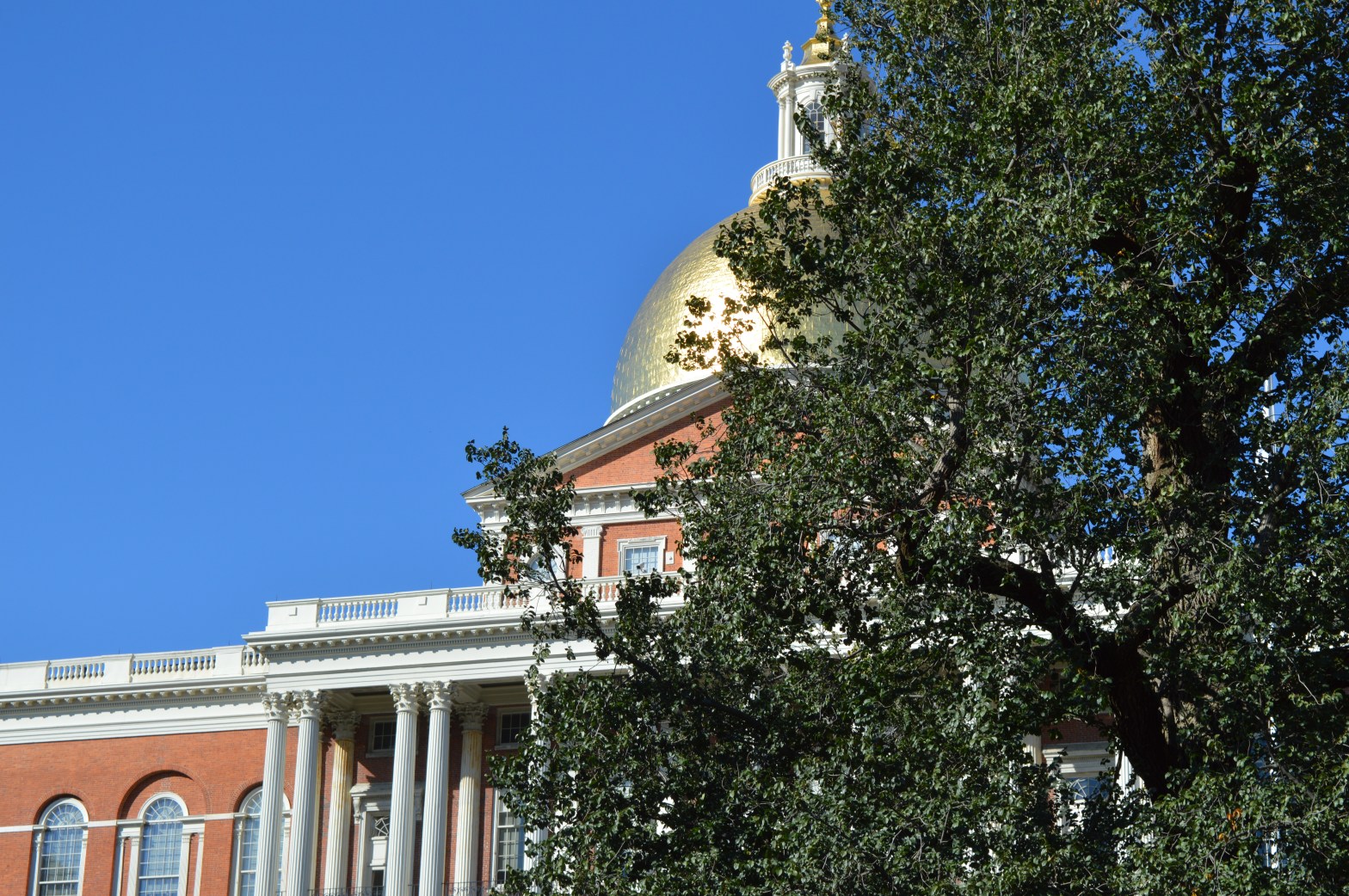
Environmental justice communities exist all throughout Massachusetts, in both urban and rural areas. Earlier this year, on March 26, Governor Charlie Baker signed new climate change legislation for the state: a bill titled “An Act Creating a Next Generation Roadmap for Massachusetts Climate Policy.” This bill recognizes the significant impact of climate change on environmental justice communities and expands protections on these vulnerable communities from big corporations that are looking to exploit them.
[PACHECO:] “Now we can actually look at environmental justice and see whether or not environmental justice is an area that the city needs to pay attention to. People, for example, that had homes that were white, that would have to periodically have to go and spray down the outside of their house… that’s how bad the air quality was in that area.”
In Saugus, the state’s oldest incinerator sits on a conservation area and both the water and air pollution have affected the surrounding communities since the 1970s. Many residents suspect that it has significantly contributed to high cancer rates and other health and environmental issues.
In the Boston neighborhood of Roxbury, government negligence, and a general lack of support, have left residents feeling alone and abandoned by those meant to serve them.
[BELECHE:] “There’s a whole history of the neighborhood organizing back in the 80s and 90s still about the impact of having trash transfer centers right in your backyard… there were days where you can smell it, you could smell the trash being sort of stored and handled not that far from where I live. Language barriers, technology barriers, literacy barriers, all of that compounds in how you participate in civic life.”
Despite these issues, groups like South Coast Neighbors United have been advocating for improvement, and hope that this bill is a step in the right direction.
[BRACA:] “There are stipulations in there, provisions in there that are stronger towards the protection of environmental justice communities, so once it’s enforced and enacted and clarified so that all those communities know what those parameters are, companies like Parallel and Eversource, they’re not gonna be able to just come right in, slip through the back door and get things rubber-stamped as easily as they have in the past. They’re not gonna be able to continue to exploit communities that really just can’t afford any more pollution.”
[WALLACE:] “Hopefully this bill will really be the impetus to get all these offices to now come back, and protect communities.”
[PACHECO:] “The legislation is historic and as much that we’re dealing with the environmental justice issue, when we actually recognize it and name it and put it in a bill, it sends a message out to everyone that this is something that’s important and must be paid attention to”
[BELECHE:] “It’s important to certainly create opportunities and provide resources to the younger generation. Environmental justice is not just about the environment it’s not just about health. It’s about education, it’s about having access to resources… People showed you that they truly believed you were a full person, not a second-class citizen.”
This legislation shows the need for action in facing climate change in Massachusetts. In towns like Saugus, inaction is disastrous to the wellbeing of these vulnerable populations.
[BRACA:] “This is a great start, but it’s just a start and we’re going to be watching it and make sure that it actually is implemented and enforced.”
Thanks to Senator Marc Pacheco, Wendy Braca and Tracy Wallace of South Coast Neighbors United, and Marcos Beleche of El Jardin De La Amistad
NOTE: The community garden in Nubian Square is called El Jardin De La Amistad
 Quillan Anderson