
“The Half of It,” a movie by Chinese-American screenwriter and director Alice Wu, is set to release on May 1. The movie is the coming-of-age story of Ellie Chu, a Chinese-American teenager and her newfound friend Paul Munsky, both of whom have a crush on a popular girl at their school.
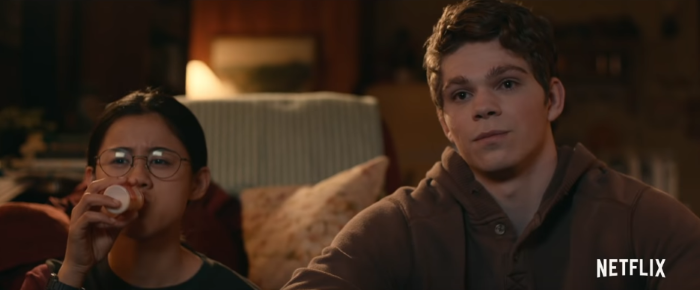
Wu is a self-proclaimed proud lesbian and is best known for her 2004 film “Saving Face” about a Chinese-American lesbian and her mother trying to find self-acceptance.
In a director’s note, Wu discussed the ending of her movies, saying, “I confessed to not knowing if that happy ending could be expected in real life; but as a queer woman, I wanted — needed — to see it in order to believe it could happen for me.”
In saying this, she brings up the importance of representation of LGBT+ characters and stories in media.
So what stories are being told? How? And by who?
While the number of LGBT+ characters in American television shows and films has increased in recent years—with GLAAD reporting 6.4% of characters belonging to this community—a 2018 study by YouGov found that only about 18% of Americans believe there are enough roles for LGBT+ people, lower than any other group.

Perceptions of minorities are impacted by what is shown in popular media. Symbolic annihilation, a term coined by George Gerbner in 1976, is the omission, trivialization, or condemnation of these groups and has been shown to have negative impacts. It hurts the self-perception of LGBT+ people as they don’t see themselves represented in the media they consume.
Media effects researcher Michael Morgan said the visibility of characters from varied backgrounds contributes to people’s self-image.
“When you don’t see people like yourself, the message is: You’re invisible. The message is: You don’t count. And the message is: ‘There’s something wrong with me,’” he said in a statement to the Huffington Post.
The lack of LGBT+ representation in media also contributes to the bigotry of other people through the parasocial contact hypothesis.
In certain groups, many say they don’t know anyone that openly identifies as LGBT+, leaving media to expose them to those identities. According to the parasocial contact hypothesis, when people see the subject of their prejudice and start to understand them through the media, they accept them more.
Wu represented herself with “Saving Face,” which was inspired by her coming out and seeking acceptance from her mother, according to statements with SFGate in 2005.
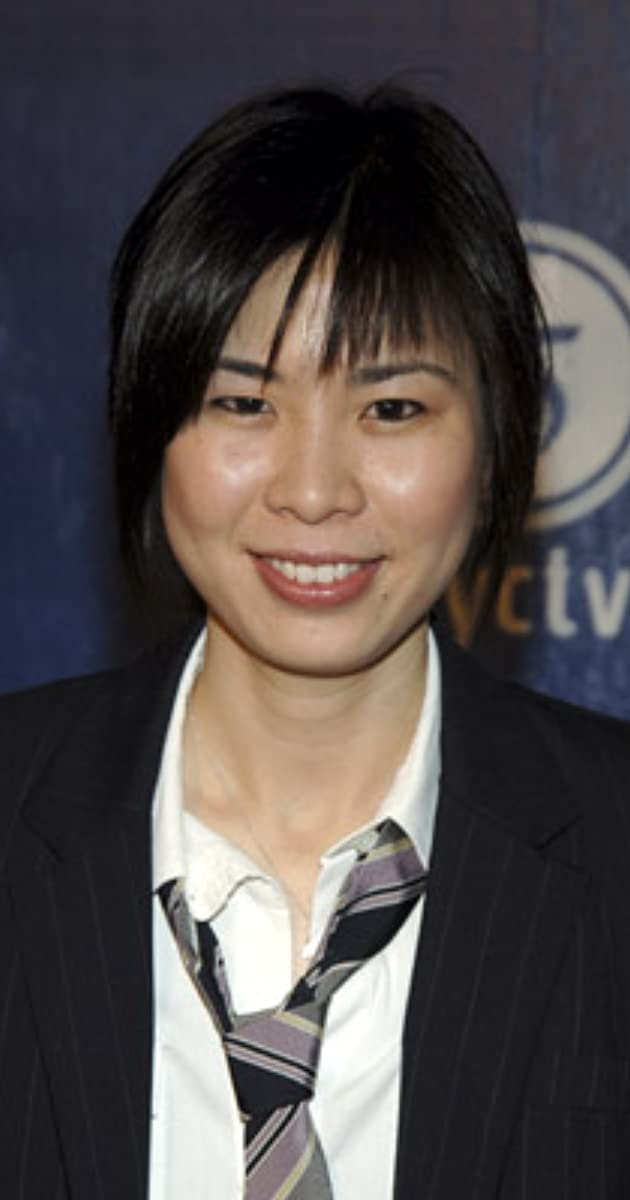
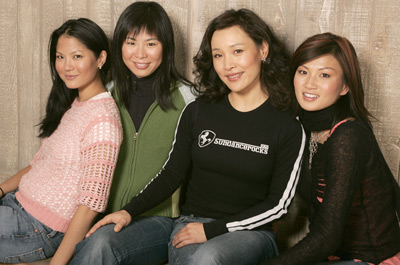
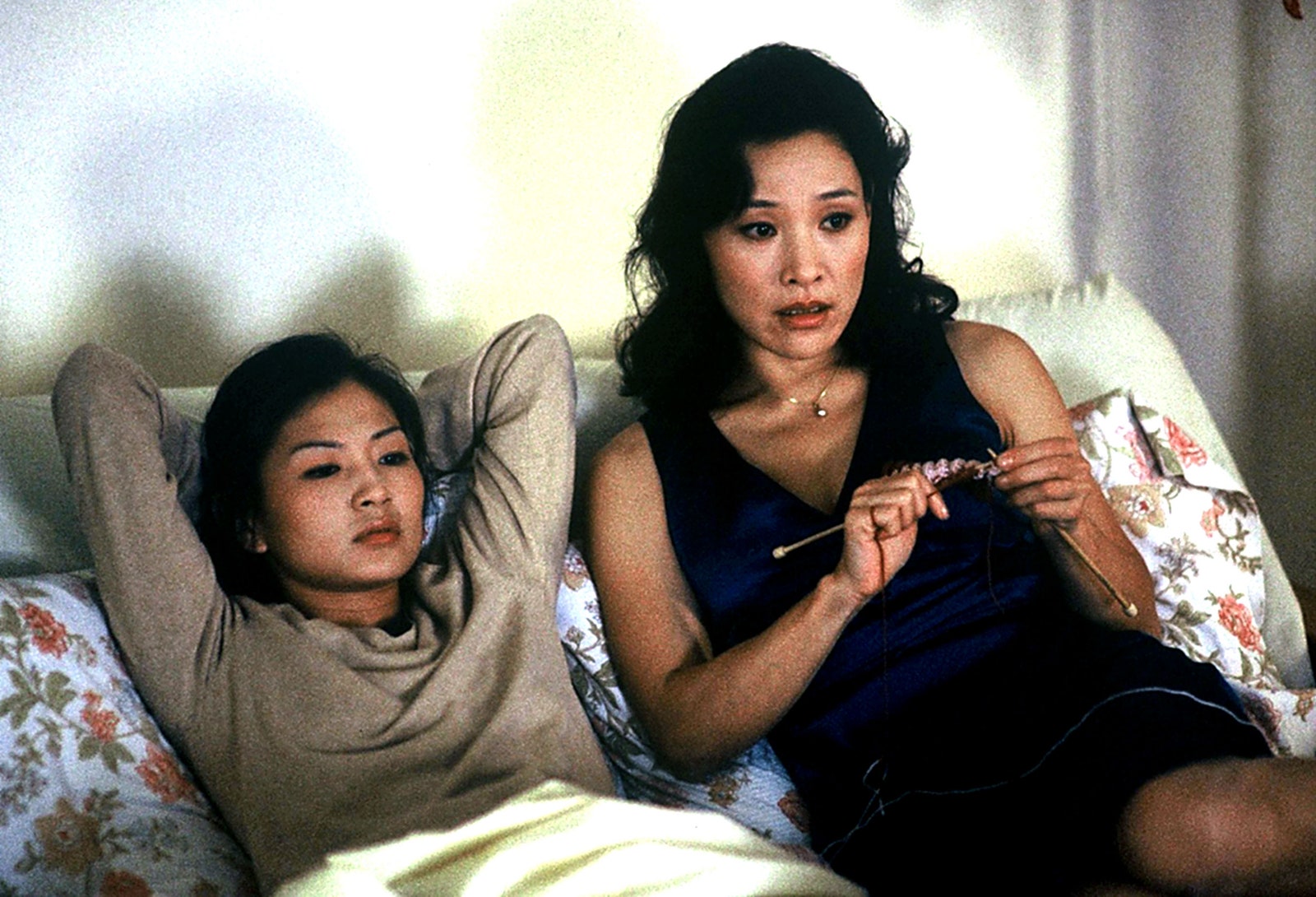
With traditions in Chinese culture, Wu felt as if she would be shunned in her community, a fear which came to life when her mother had stopped contacting Wu for two years.
“Saving Face” focuses on their reunion. “I think she realized I would still be there for her, that I was her daughter no matter what and being gay did not change that,” said Wu.
Wu used her film as a way of healing and the main lesson is that love and understanding are more important than tradition.
While Wu writes based on her own experiences, a vast majority of LGBT+ representation consists of negative or inaccurate portrayals, and these depictions do far more harm than good.
Stereotypes and misconceptions are common for LGBT+ characters in media, such as Brent, a feminine gay man in the movie “G.B.F.,” Adèle in “Blue is the Warmest Colour,” a bisexual girl who cheats on her girlfriend with a man, and Buffalo Bill in “Silence of the Lambs,” a “transsexual” serial killer who gender nonconformance stems from severe mental illness.

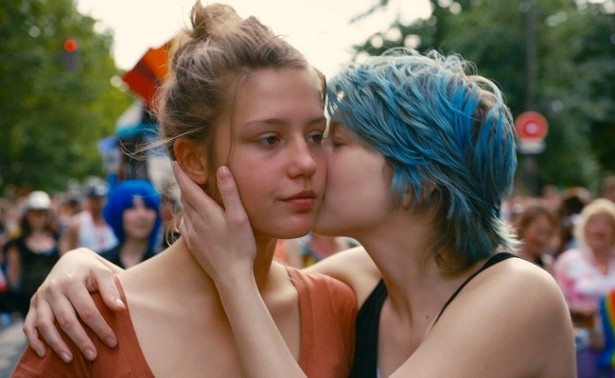
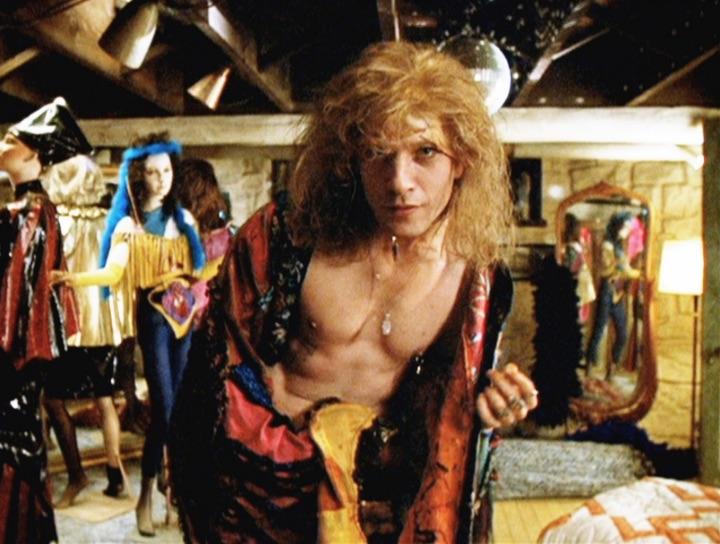
While there are people who fit certain stereotypes, only portraying those characters does not represent the entire community, often leaving characters one-dimensional and ingenuine.
“Queerbaiting” is yet another issue, as directors rely solely on subtext to “represent” LGBT+ identities. Recently J.K. Rowling proclaimed that Albus Dumbledore from the Harry Potter series has been gay all along, despite that never being present in the stories. Not only is this false representation, but it also capitalizes on and ridicules the need to see LBGT+ identities in media. Writers expect LGBT+ people will follow subtle representation and everyone else won’t be offended or claim that anything is being “shoved in their faces.”
There is also a severe lack of intersectionality within LGBT+ representation as only 23% of the 6.4% of LGBT+ characters are non-white, according to GLAAD’s report.
Furthermore, a study by Ana-Isabel Nölke, a graduate student at the University of Edinburgh found that 230 out of 240 intersections of sexuality, class, age, and race are not represented at all.
Alice Wu and “The Half of It” might just be the piece of media to start fixing all of these issues.
As a Chinese-American lesbian writing about Chinese-American lesbians, Wu is creating accurate representations of her identity and shows characters that many don’t see. Because she is part of the community she writes about, Wu writes realistic and nuanced characters that avoid stereotypes and queerbaiting while including intersectional identities.


Hollywood needs to include more minority characters, but they need to be done well. Representation is not measured solely in quantity. Portraying relatable and empathetic LGBT+ characters will not only empower LGBT+ people, but it will promote understanding and acceptance from those who might not have anyone to show them that this community is just as human as they are.
Note: None of the images are mine, they were all pulled from online with the sole purpose of being used for this blog post. All credit goes to the original sources.
 Quillan Anderson